RTA Cabinets vs Assembled Cabinets: Which Is Better?
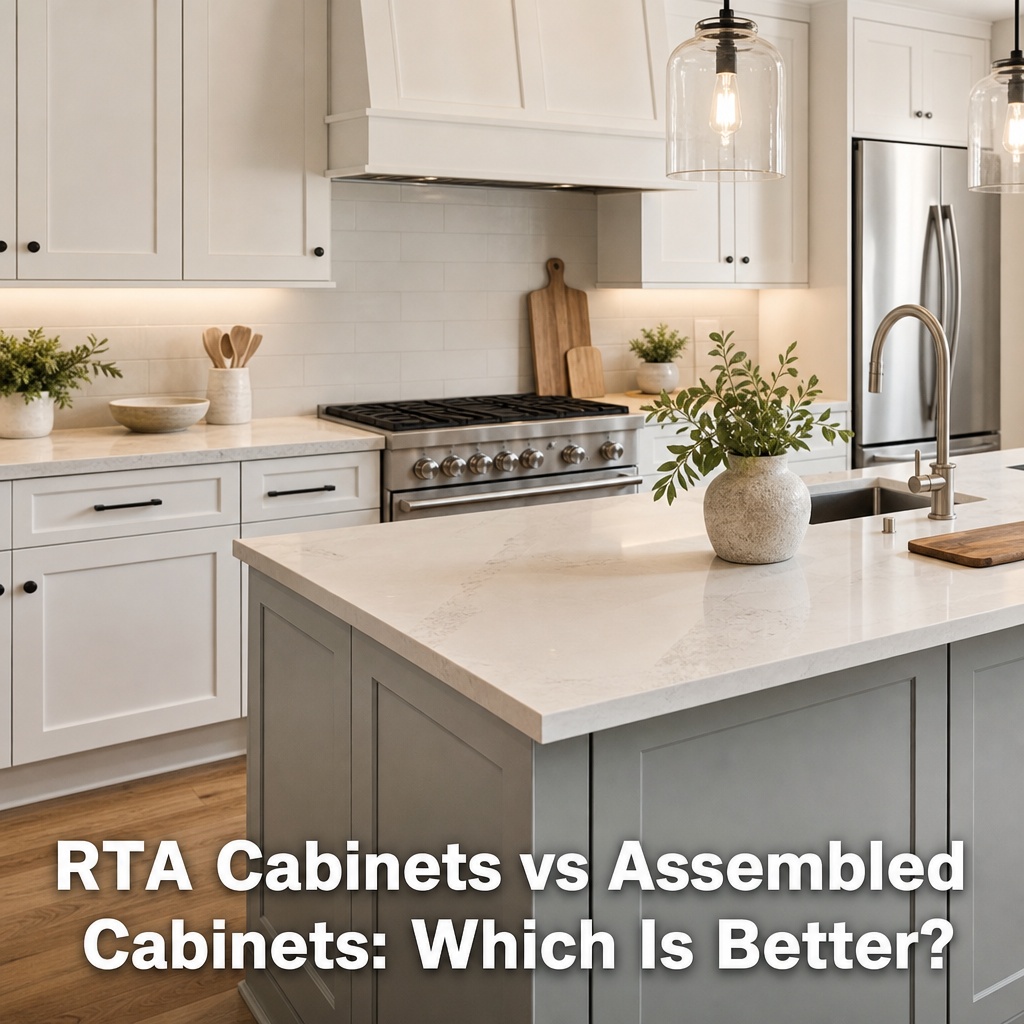
Choosing the right cabinets for your kitchen renovation is one of the most consequential decisions you’ll make during the entire project. The cabinets set the tone for the space, affect how functional your kitchen feels every single day, and represent a significant portion of your total remodel budget. Getting this decision wrong can cost you thousands of dollars and weeks of frustration.
The debate between RTA cabinets and assembled cabinets has been going on for years, and for good reason. Both options have genuine strengths, and neither is universally better for every situation. The right choice depends on your budget, your skill level, your timeline, and what you actually want out of your kitchen cabinets long-term.
This guide breaks down every meaningful difference between the two cabinet types so you can make a confident, informed decision. From cabinet quality and construction to shipping cost, installation process, and total cost of ownership, everything is covered here in plain language.
Overview Of RTA Cabinets Vs Assembled Cabinets
What Are RTA Cabinets?
RTA cabinets, short for ready-to-assemble cabinets, are shipped flat-packed in boxes and require the buyer to put them together before installation. The cabinet boxes, doors, shelves, and hardware all arrive separately and are assembled on-site using basic tools. This format is sometimes called flat pack cabinets, and it’s the same concept used by major furniture retailers worldwide.
The appeal is straightforward. Because the cabinets ship disassembled, they take up far less space in transit, which dramatically reduces shipping cost. That savings is typically passed on to the buyer, making RTA cabinets one of the most budget-friendly options in the kitchen cabinet market.
What Are Assembled Cabinets?
Assembled cabinets arrive fully built and ready to hang or set in place. The cabinet boxes are already constructed, the doors are often pre-hung, and the hardware may already be installed. All you need to do is position them and secure them to the wall.
These are sometimes referred to as stock cabinets or semi-custom cabinets depending on the level of customization available. Assembled cabinets are the traditional choice for homeowners who want a faster installation process and are willing to pay a premium for that convenience.
Key Similarities In Materials And Construction
Many buyers assume RTA cabinets are automatically lower quality than assembled cabinets, but that’s not accurate. Both types can be built using the same materials, including plywood construction for the cabinet boxes, solid wood or MDF for the doors, and quality cabinet hardware like soft close hinges and full-extension drawer slides.
The wood species, cabinet finish options, and door styles available across both categories are often nearly identical, especially when buying from a reputable cabinet supplier. Cabinet quality is determined more by the manufacturer than by whether the cabinet arrives assembled or flat-packed.
Core Differences At A Glance
The table below summarizes the primary differences between the two cabinet types.
| Feature | RTA Cabinets | Assembled Cabinets |
|---|---|---|
| Shipping Cost | Lower | Higher |
| Upfront Price | Lower | Higher |
| Assembly Required | Yes | No |
| Lead Time | Shorter | Varies |
| Installation Speed | Slower | Faster |
| DIY Friendly | Moderate | High |
| Customization | Moderate | Moderate to High |
Feature-By-Feature Comparison
Material Quality, Box Construction, And Hardware
The best RTA cabinets use plywood construction for their cabinet boxes, which is the same standard used in high-quality assembled cabinets. Plywood is stronger, more moisture-resistant, and holds screws better than particleboard, making it the preferred material for long-lasting kitchen cabinets.
Dovetail joints in the drawer boxes are another quality indicator to look for in both cabinet types. Soft close hinges and full-extension drawer slides are now standard features in mid-range and premium options across both RTA and assembled lines. The hardware quality gap between the two has narrowed significantly.
Where differences do appear is at the lower price points. Budget assembled cabinets and budget RTA cabinets both tend to use particleboard boxes and basic hardware. Always check the specifications before assuming either type is automatically superior.
Design Options, Styles, And Finish Choices
Cabinet door styles, wood species, and cabinet finish options are plentiful in both categories. Shaker, raised panel, flat panel, and inset styles are all available in RTA and assembled formats. Popular finishes include painted white, gray, navy, and various stained wood tones.
Frameless cabinets, which offer a sleek European aesthetic and more interior storage space, are available in both RTA and assembled versions. The design flexibility is comparable across both types when you shop from a quality cabinet supplier.
The main limitation with RTA cabinets is that truly custom sizing is less common. Most RTA lines come in standard increments, while assembled or semi-custom cabinets may offer more flexibility for unusual kitchen layouts.
Durability, Strength, And Long-Term Performance
A properly assembled RTA cabinet made with plywood construction and quality cabinet hardware will perform just as well as a pre-assembled cabinet over the long term. The key phrase is “properly assembled.” If the cabinet assembly is done incorrectly, joints can loosen, doors can sag, and the overall structure can weaken over time.
Assembled cabinets have an advantage here because the construction is done in a controlled factory environment with professional equipment. The consistency of factory assembly is difficult to replicate at home, especially for first-time DIY installers.
Cabinet warranty terms are worth reviewing for both types. Many reputable suppliers offer comparable warranties regardless of whether the cabinets are RTA or pre-assembled, which speaks to the confidence manufacturers have in both formats.
Installation Process, Skill Level, And Time Commitment
Cabinet installation for assembled cabinets is faster because the boxes are already built. You’re essentially just leveling, securing, and hanging finished units. A professional installer can complete a standard kitchen in a day or two with assembled cabinets.
RTA cabinets require an additional step. Before cabinet installation even begins, you need to assemble each cabinet box. For a full kitchen, this can add anywhere from several hours to a full day of work depending on your experience level and the number of cabinets involved.
DIY installation is very achievable with RTA cabinets for someone with basic tool skills and patience. Most manufacturers provide clear instructions, and many offer video tutorials. If you’re comfortable with flat pack furniture assembly, RTA cabinet assembly follows a similar process.
Shipping, Storage, And Delivery Experience
Flat pack cabinets ship in compact boxes, which means lower shipping cost and easier handling during delivery. You can often fit an entire kitchen’s worth of RTA cabinets into a standard vehicle or have them delivered via standard freight without the oversized fees that assembled cabinets can incur.
Assembled cabinets are bulky and heavy. They require freight delivery, careful handling to avoid damage, and more storage space on-site before installation. Damaged corners, scratched finishes, and dented cabinet boxes are more common with assembled cabinets simply because of how much surface area is exposed during transit.
Lead time can also differ. Many RTA cabinet suppliers keep inventory in stock and can ship within days. Assembled cabinets, especially semi-custom options, may have longer lead times depending on the cabinet supplier and current demand.
Pricing, Value, And Total Cost Of Ownership
Upfront Cabinet Pricing: RTA Vs Assembled
RTA cabinets are consistently less expensive upfront than assembled cabinets of comparable quality. The savings come from reduced shipping cost, lower warehousing expenses, and the fact that you’re providing the labor to assemble them. For a full kitchen renovation, the price difference can be substantial.
If you’re comparing options and wondering how sourcing affects price, it’s worth reading about buying wholesale versus big box store cabinets to understand how the supply chain affects what you actually pay. The channel you buy through matters as much as the cabinet type itself.
Assembled cabinets carry a premium that reflects the factory labor, larger packaging, and higher freight costs. That premium can range from modest to significant depending on the brand and quality tier.
Labor, Tools, And Hidden Costs Of Assembly
The cost advantage of RTA cabinets shrinks when you factor in labor. If you hire a professional to assemble your RTA cabinets before installation, you’re adding a labor cost that partially offsets the upfront savings. Tools like a rubber mallet, drill, clamps, and a square are needed for proper cabinet assembly.
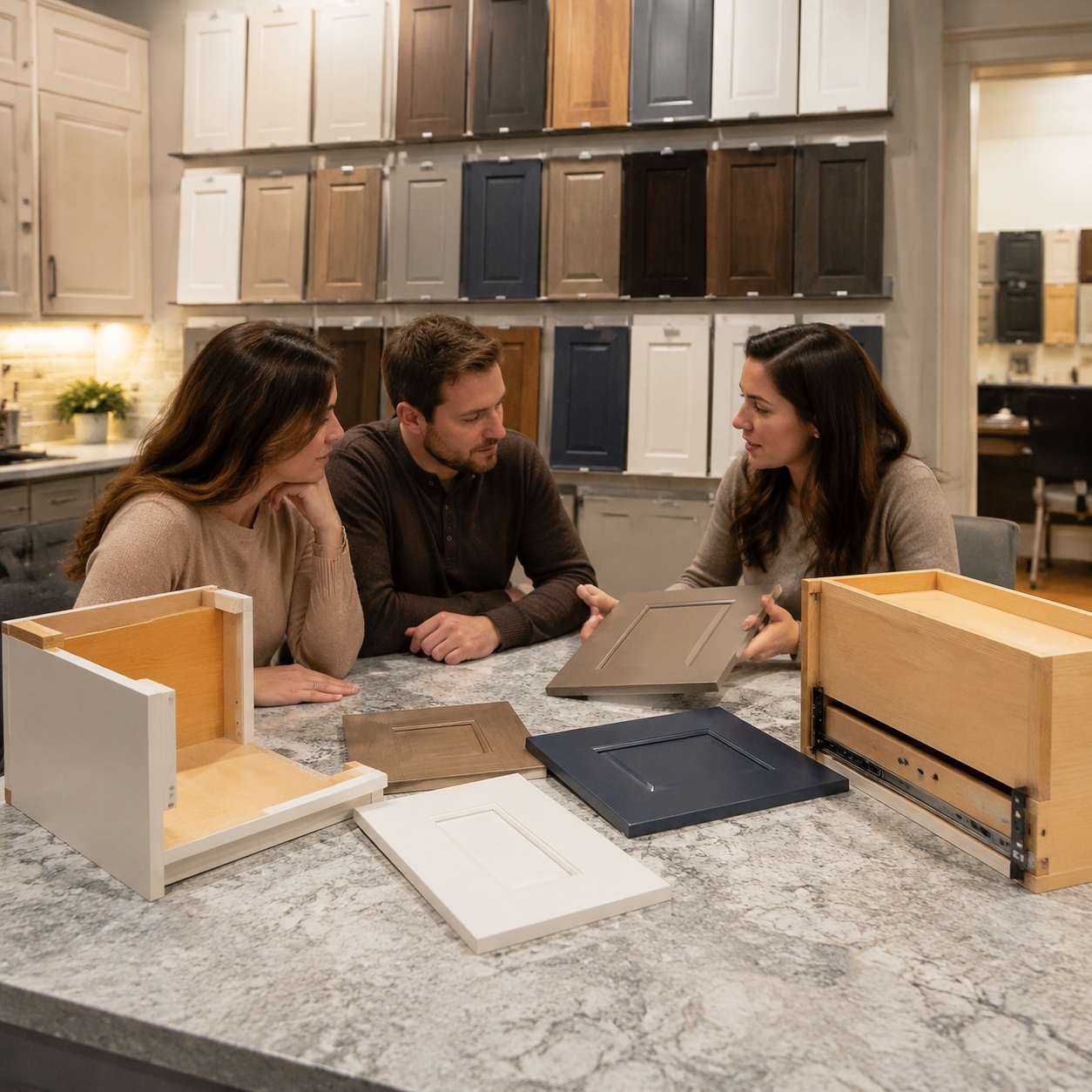
DIY assembly eliminates the labor cost entirely, which is where RTA cabinets deliver their strongest value. Homeowners who are comfortable with basic construction tasks can save hundreds or even thousands of dollars by handling the assembly themselves.
Hidden costs to watch for include replacement hardware if anything arrives damaged, touch-up paint or stain for minor finish issues, and any additional fasteners or connectors not included in the box.
Impact Of Mistakes, Returns, And Modifications
Mistakes during cabinet assembly can be costly. A misaligned box, a stripped screw hole, or a cracked panel during assembly may require ordering replacement parts, which adds time and expense to the project. This risk is higher with RTA cabinets simply because more steps are involved before the cabinet is functional.
With assembled cabinets, the risk shifts to shipping damage. Returns and replacements for damaged assembled cabinets can be logistically complicated due to the size and weight of the units. Always inspect assembled cabinets immediately upon delivery and document any damage before signing off.
Modifications are easier with RTA cabinets in some respects because you can adjust the assembly before it’s complete. Once an assembled cabinet is built and finished at the factory, making structural changes is much harder.
Resale Value And Perceived Quality In The Home
From a resale perspective, buyers and appraisers rarely distinguish between RTA and assembled cabinets once they’re installed and finished. What matters is the overall appearance, the cabinet finish quality, the hardware, and how well the installation was executed.
A beautifully installed kitchen with quality RTA cabinets will hold its value just as well as one with assembled cabinets of similar quality. If you’re curious about whether wholesale-sourced cabinets hold up in terms of quality perception, this honest breakdown of wholesale cabinet quality addresses that question directly.
The perceived quality in the home is driven by finish, hardware, and craftsmanship of the installation, not by whether the boxes were assembled by hand or at a factory.
Best Use Cases And Buyer Profiles
When RTA Cabinets Make The Most Sense
RTA cabinets are the smart choice for budget-conscious buyers who are willing to invest time in the assembly process. They’re also ideal for DIY enthusiasts who enjoy hands-on projects and want to maximize their renovation budget without sacrificing cabinet quality.
- Homeowners doing a full kitchen renovation on a tight budget
- DIY installers comfortable with basic tools and assembly
- Buyers who want faster shipping and shorter lead time
- Projects where storage space for large assembled units is limited
- Renovators who want to inspect and customize each cabinet box before installation
The flat pack format also makes RTA cabinets easier to transport up stairs or through narrow doorways, which is a practical advantage in certain home layouts.
When Assembled Cabinets Are The Better Choice
Assembled cabinets make more sense when time is the primary constraint or when the buyer prefers a hands-off approach to the cabinet installation process. They’re also a better fit for complex kitchen layouts where professional installation is already planned.
- Homeowners hiring a professional installer who charges by the hour
- Projects with tight timelines where assembly time isn’t available
- Buyers who prefer factory-controlled construction consistency
- Kitchens requiring semi-custom sizing or specialty configurations
- Situations where DIY assembly isn’t feasible due to physical limitations
The convenience factor is real, and for many homeowners, paying a premium for assembled cabinets is a worthwhile trade-off against the time and effort required to assemble RTA units.
Scenarios: Budget Remodels, Rentals, And Flips
For budget remodels, rental property updates, and house flips, RTA cabinets are almost always the better financial decision. The cabinet cost savings are significant, and the end result looks identical to assembled cabinets once everything is installed and painted.
Rental properties don’t need premium cabinet finishes or exotic wood species. Durable, clean-looking stock cabinets in a neutral finish are all that’s needed, and RTA options deliver exactly that at a fraction of the cost of assembled alternatives.
House flippers benefit from the shorter lead time and lower shipping cost of RTA cabinets, which helps keep the project moving and the budget intact. The goal is a quality-looking kitchen at the lowest possible cost, and RTA cabinets are built for that scenario.
Scenarios: Custom-Feel Kitchens, Forever Homes, And High-End Projects
For a forever home where quality and longevity are the top priorities, assembled cabinets or high-end RTA cabinets with plywood construction and premium hardware are both valid choices. The decision comes down to budget and how much involvement you want in the process.
High-end kitchen renovation projects often use semi-custom assembled cabinets because the design flexibility and factory finish quality are difficult to match with standard RTA lines. Custom-feel kitchens with specialty cabinet door styles, unique wood species, and integrated cabinet hardware benefit from the precision of factory assembly.
That said, premium RTA cabinet lines have closed the gap considerably. Buyers who want a custom-feel kitchen without the full custom price tag can achieve excellent results with top-tier RTA cabinets, quality cabinet hardware, and professional installation.
Conclusion
Neither RTA cabinets nor assembled cabinets are universally better. The right choice depends entirely on your priorities. If budget and shipping cost savings matter most and you’re comfortable with cabinet assembly, RTA cabinets offer exceptional value without sacrificing cabinet quality. If time, convenience, and factory-controlled construction are your priorities, assembled cabinets justify their higher price.
Both options can deliver beautiful, durable kitchen cabinets when sourced from a reputable cabinet supplier and installed correctly. Focus on plywood construction, quality cabinet hardware like soft close hinges, and a finish that suits your kitchen’s style, and you’ll be satisfied with either choice.
FAQ
Are RTA Cabinets As Durable As Assembled Cabinets?
Yes, when made with plywood construction and quality hardware, RTA cabinets are just as durable as assembled cabinets. The durability depends on the materials and the quality of the assembly, not on whether the cabinet arrived flat-packed or pre-built. Properly assembled RTA cabinets with dovetail joints and soft close hinges will last for decades under normal kitchen use.
How Much Money Can I Realistically Save With RTA Cabinets?
Savings vary based on kitchen size and cabinet quality tier, but many homeowners save between twenty and forty percent compared to assembled cabinets of similar quality. The combination of lower cabinet cost and reduced shipping cost adds up quickly across a full kitchen. DIY installation amplifies those savings further by eliminating professional assembly labor fees entirely.
Can I Mix RTA And Assembled Cabinets In The Same Kitchen?
Technically yes, but it’s not commonly recommended. Matching cabinet finish, door styles, and cabinet boxes from two different sources is difficult and often results in visible inconsistencies. If you need to supplement an existing cabinet line, contact your original cabinet supplier first to see if matching units are available in either format before mixing sources.